← Back to portfolio

IDEABOXAI CASE STUDY

Enter password

IdeaBoxAI · Enterprise AI platform

Designing an enterprise AI platform,
from the ground up.

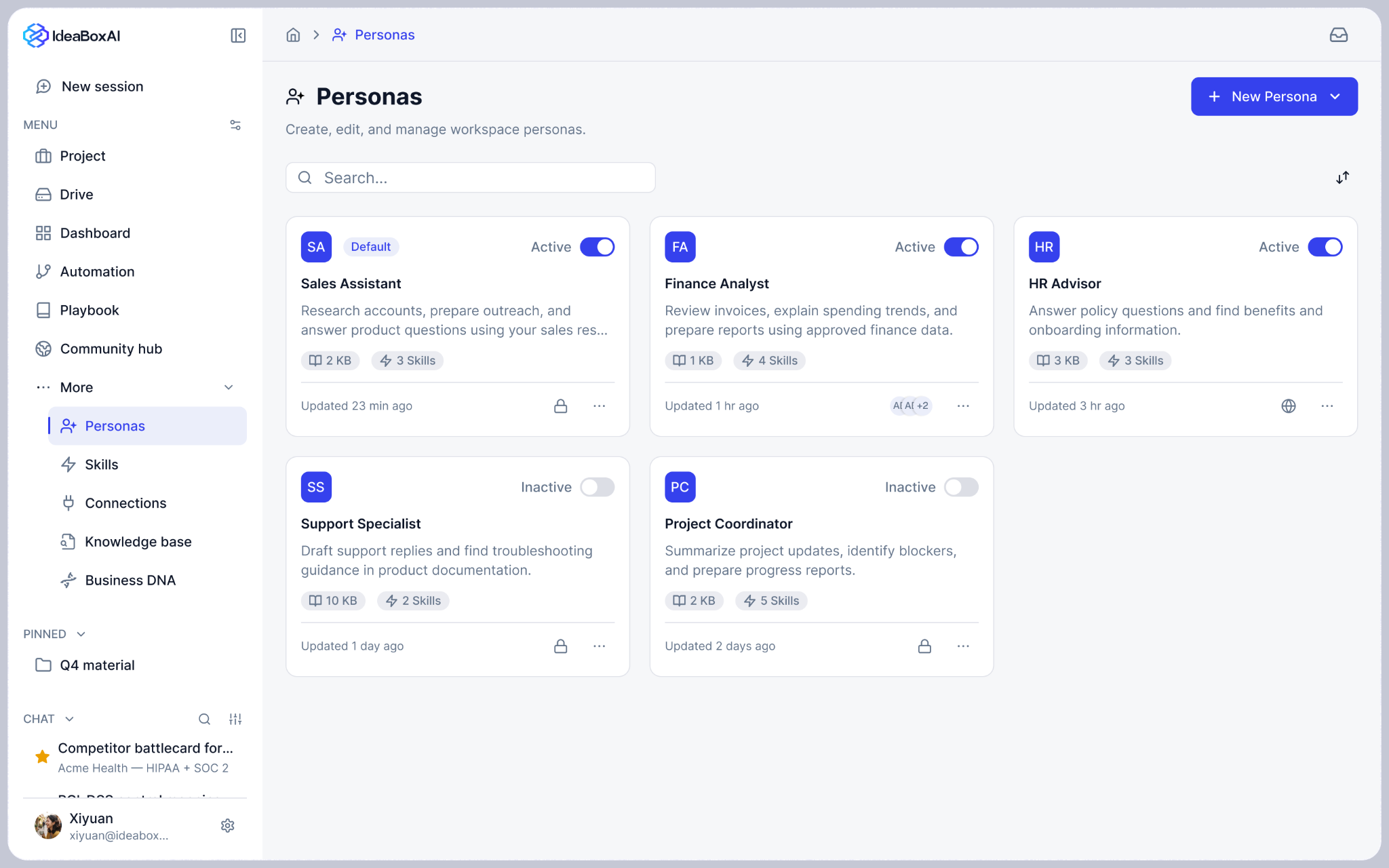
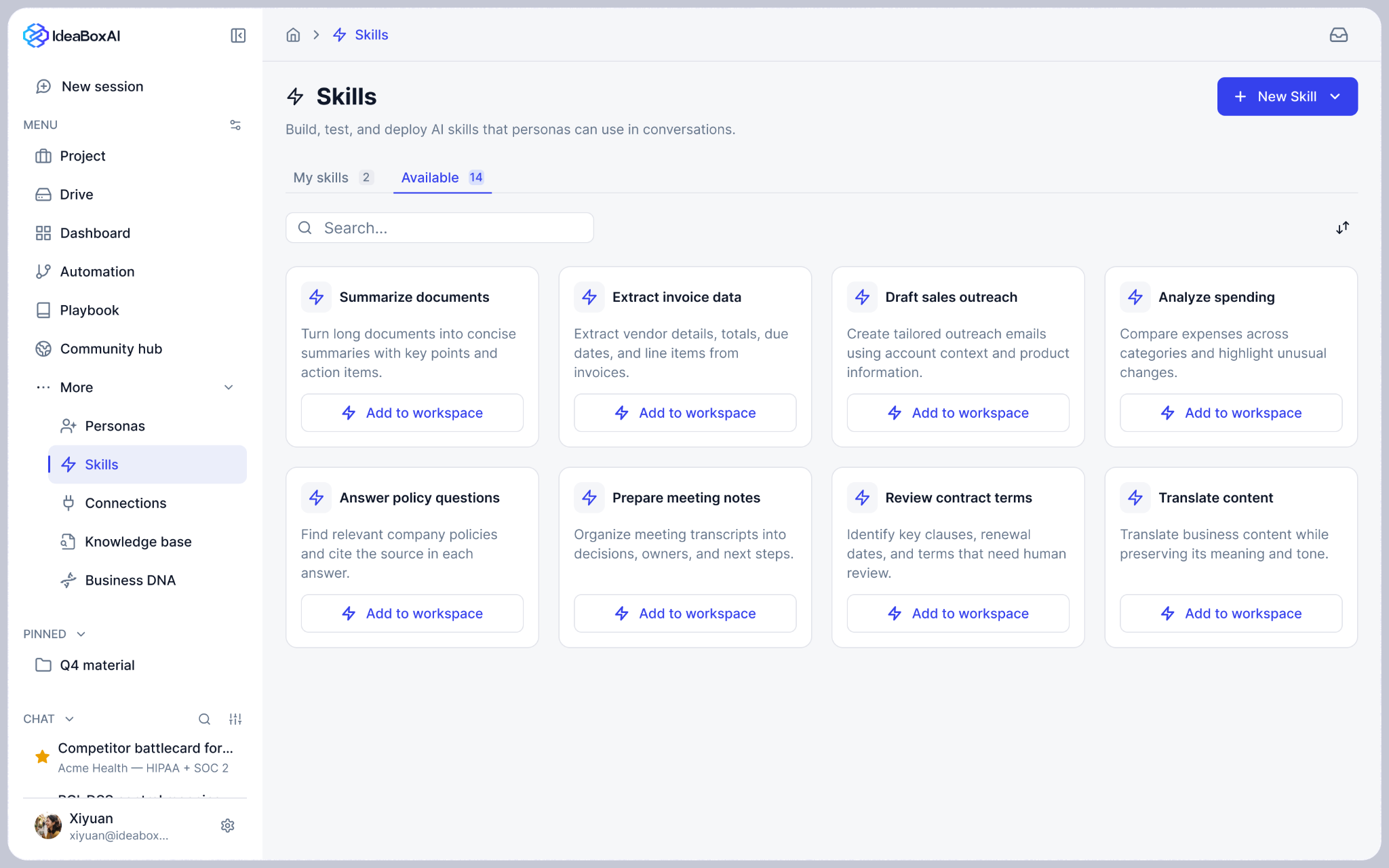
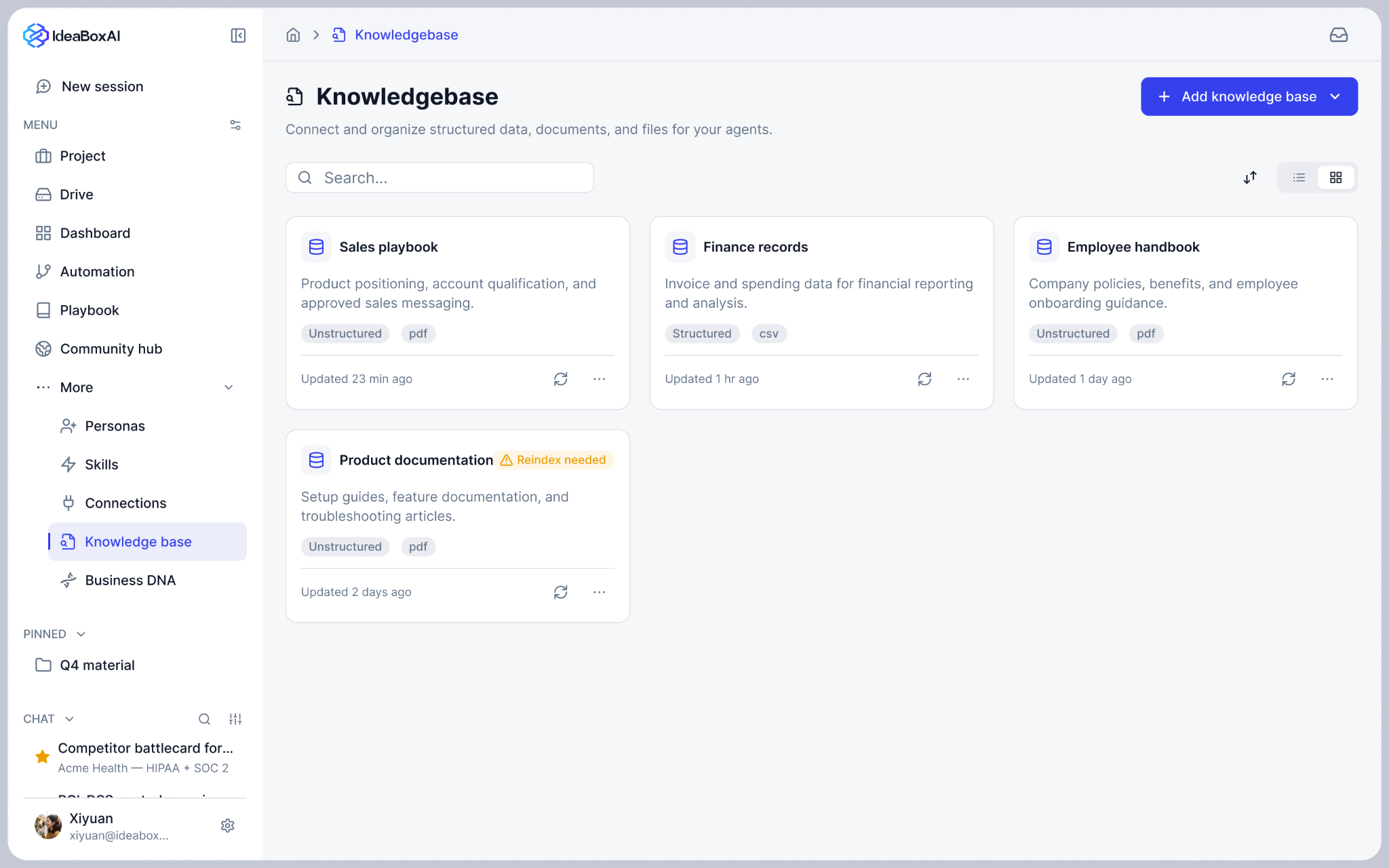
IdeaBoxAI helps teams bring AI into their everyday work. It brings together AI personas, reusable skills, company knowledge, and automations in one workspace, with tools for administrators to manage access, usage, and billing.

Visit ideaboxai.com ↗
Role

Product Designer

Timeline

Nov 2024–Oct 2026

For much of my time at IdeaBoxAI, I was the sole Product Designer, working with the founders, product manager, and engineers to take the product from early concepts to a live platform.

  • Owned design from user flows and interface concepts to detailed screens and a shared design system.
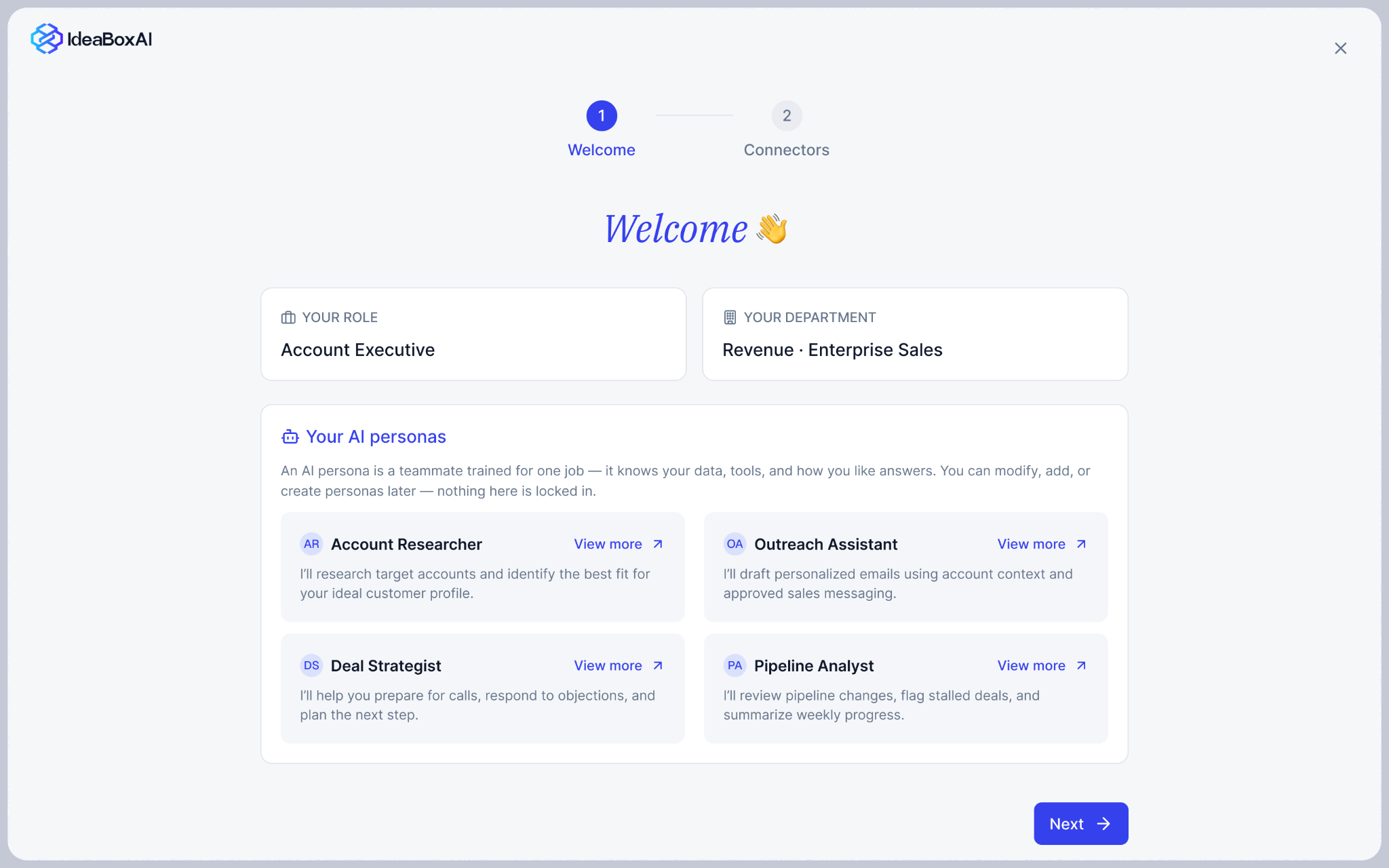
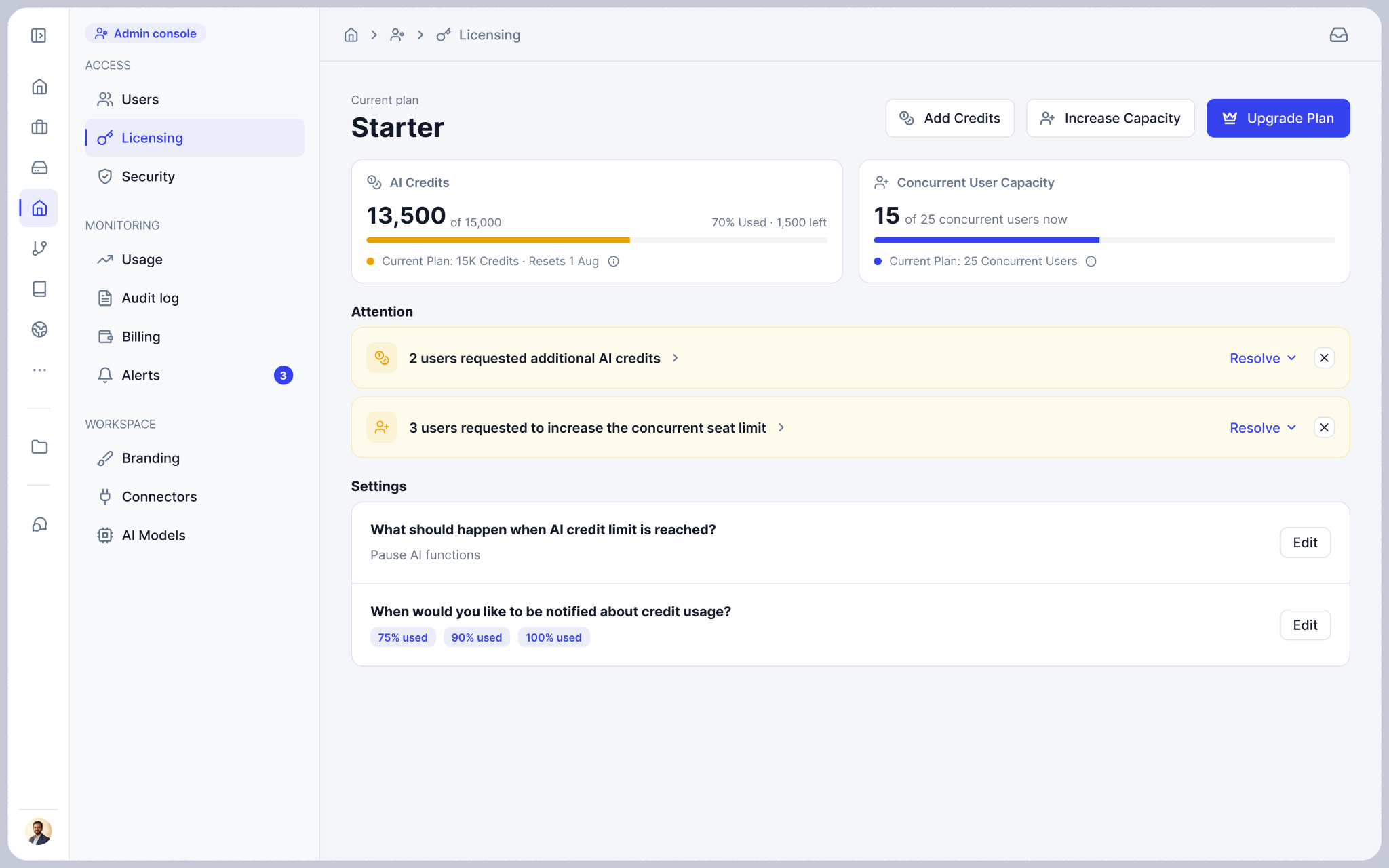
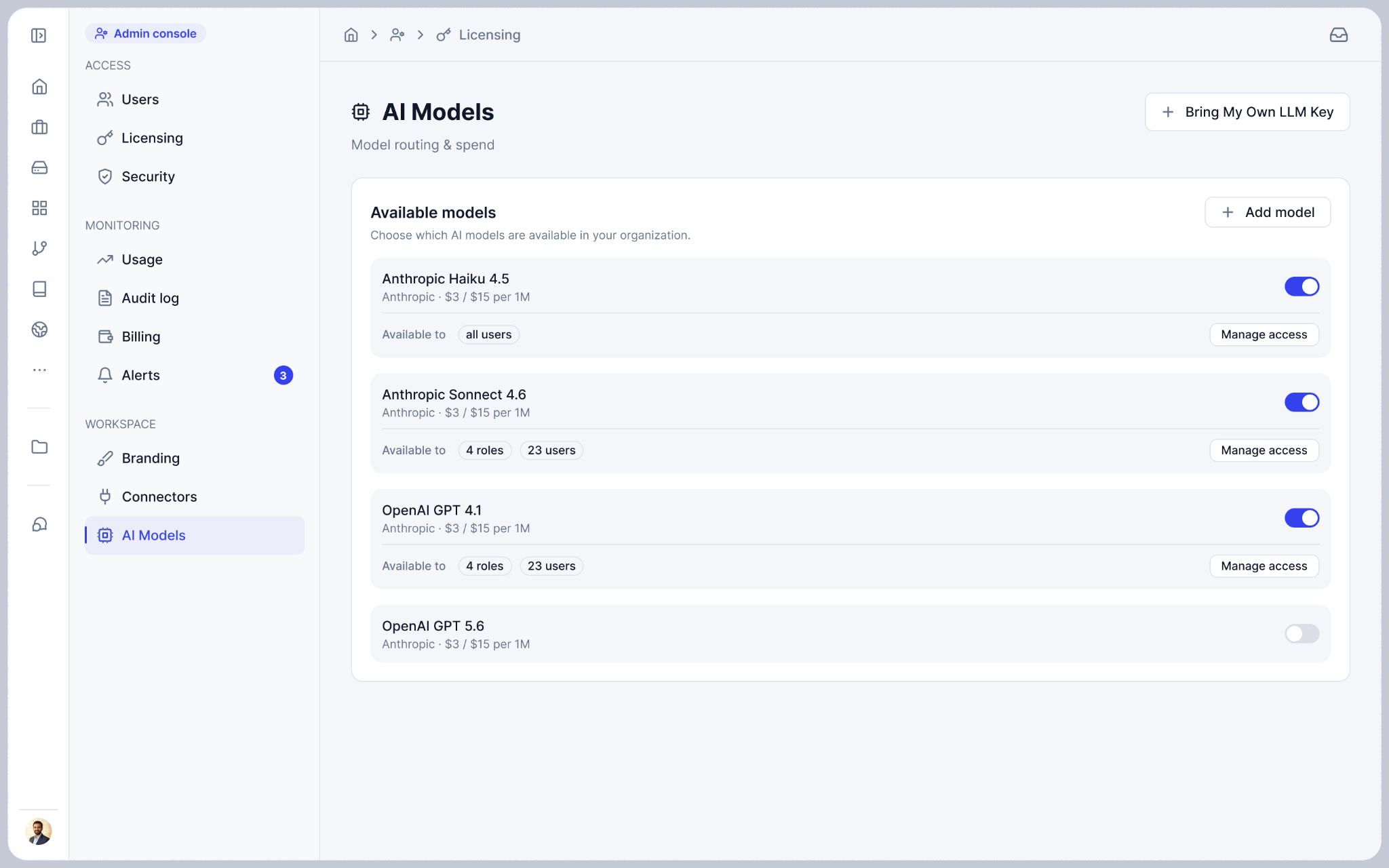
  • Designed core AI experiences, including personas, knowledge, and automation, alongside enterprise features such as credit management, access control, and observability.
  • Explored different workflows with Figma, Claude, and Lovable to prototype and iterate on solutions while maintaining a reusable design system.
  • Worked closely with product and engineering, refining designs through stakeholder feedback and supporting implementation.

My work covered both the experiences people use to work with AI and the controls organizations need to manage it.

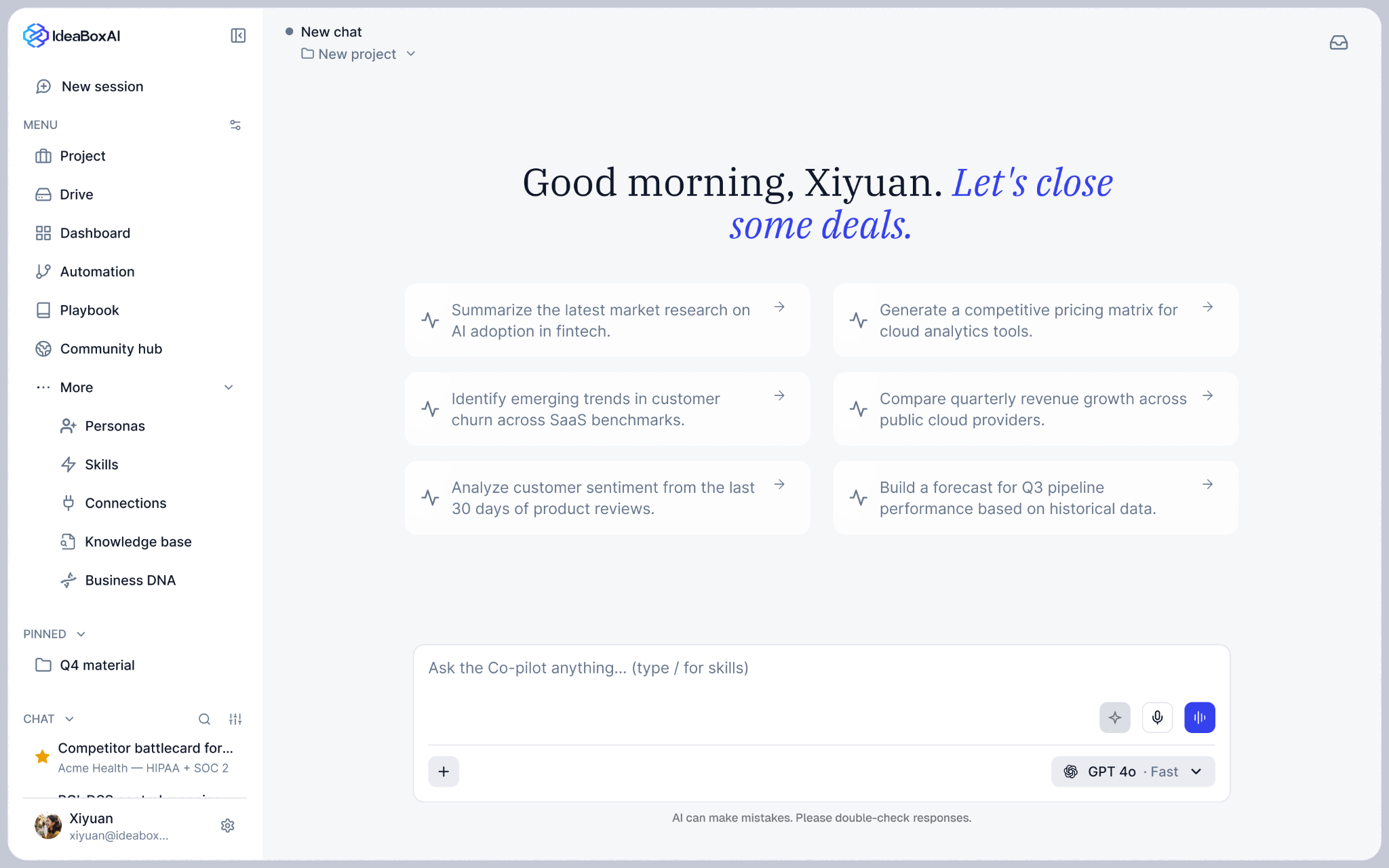
Co-pilot

A conversational workspace with suggested prompts and a composer for working with AI.

IdeaBoxAI Co-pilot interface

Exploring concepts through iteration

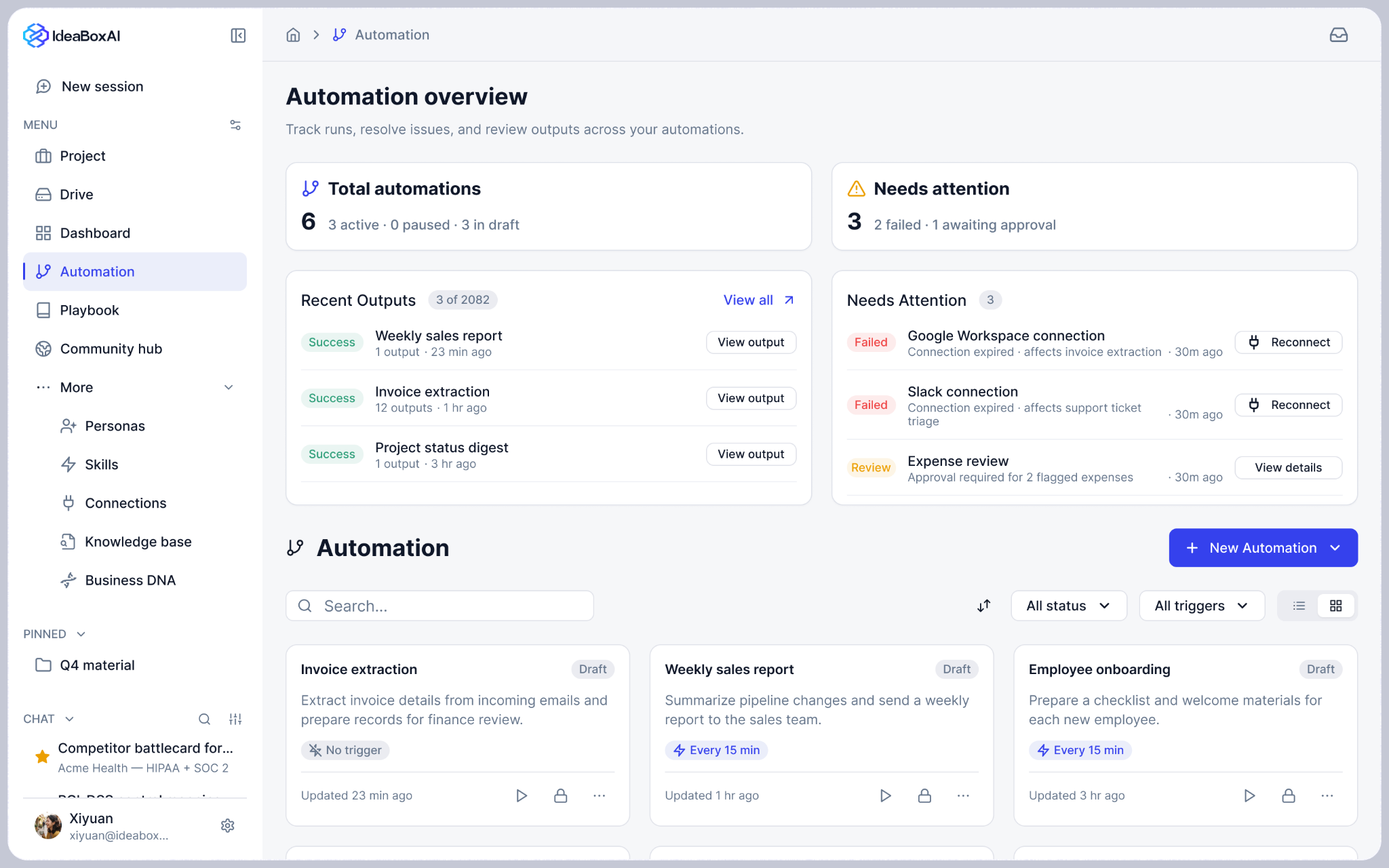
I’ll use Automation and Knowledge base concepts to share how I identify problems, explore design directions, and refine solutions through iteration.

Concept explorations

Upcoming · Est. Fri, Oct 16

As features expanded and more interfaces were produced with AI tools, patterns began to drift. I developed and maintained a Figma design system to bring greater consistency to the platform.

The library covered typography, colors, spacing, the app shell, and reusable components. Alongside it, I redesigned shared patterns for feature landing pages, cards and lists, search, filters, and sorting.

These components also became the foundation for AI-assisted page assembly. I documented interaction rules and worked with engineers to support gradual implementation across the live product.

Examples of how I document design components

Click a card to explore the documentation, including variants, states, and usage guidance.

As AI tools developed, my design workflow evolved too. I moved from designing flows and interfaces in Figma to exploring ideas through rapid AI-assisted prototypes. After exploring the strengths and limitations of each approach, I combined these tools with a shared design system into a workflow that helped me work more efficiently while maintaining design quality.

01 / Early stage

I translated requirements into rough layouts and wireframes, then developed high-fidelity screens and interactive prototypes in Figma. These became the basis for design discussions and developer handoff.

Requirements → Wireframes → Validation → Hi-fi prototypes → Implementation → Testing

02 / Embracing AI tools

The whole team began using AI tools such as Lovable and Claude to turn ideas into working prototypes. This helped us review concepts quickly, gather feedback, and enable engineers to implement new features faster under tight deadlines.

Requirements → Working prototype → Validation → Implementation → Testing

03 / Combining quality and efficiency

AI tools helped us prototype and develop features faster, but as the platform grew, inconsistencies in copy, spacing, components, and interactions became more apparent. We carried out a UI/UX revamp and refined our workflow, keeping Figma as the single source of truth for development.

We continued using AI tools to explore ideas through working prototypes, then rebuilt the screens in Figma using our component library. With assistance from Claude, this process became much faster. I then reviewed the user experience and refined the details before handoff, creating new components where needed. This made precise adjustments easier and reduced repeated edits that consumed credits in AI tools.

Requirements → Working prototype → Validation → Library-based assembly → Design refinement → Implementation → Testing